5 Signs You Need a Website Redesign
How to know when your website is limiting performance, SEO visibility, and lead generation
Your website is one of the most powerful tools your business has. It works around the clock to attract visitors, communicate your value, and convert interest into real opportunities. In many cases, it serves as your first impression, your sales pitch, and your credibility all in one.
A well-built website can consistently generate leads and support long-term growth. But when a website becomes outdated or misaligned with your business goals, it can quietly create friction that pushes potential customers away.
As technology continues to evolve, so do user expectations. Visitors expect fast load times, intuitive navigation, and clear messaging. Search engines are also becoming more advanced, prioritizing websites that deliver strong performance and user experience. If your website isn’t keeping up, it may not be competing effectively in today’s digital landscape.
Below are five clear indicators that it may be time to invest in a website redesign.
1. Your website is not optimized for mobile users
Mobile traffic now represents a significant portion of overall website visits. People are searching, browsing, and making decisions directly from their phones, often within seconds.
When a website is not designed with mobile users in mind, it creates immediate frustration. Users expect content to be easy to read, navigation to be simple, and actions like contacting a business or requesting a quote to be quick and seamless. If your site requires zooming, excessive scrolling, or extra effort to find information, most users will leave and look elsewhere.
Search engines like Google have also shifted to mobile-first indexing, meaning your mobile experience directly affects how your site ranks. A poor mobile experience doesn’t just impact usability, it limits your visibility in search results.
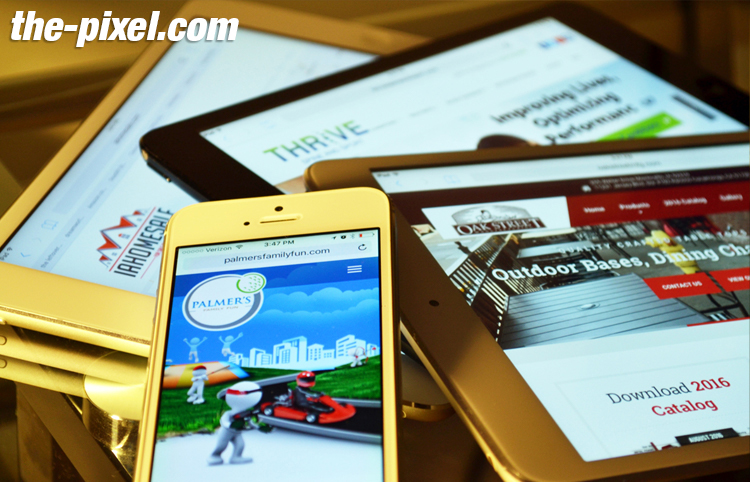
Modern websites are built to adapt across all devices, ensuring a consistent and efficient experience regardless of screen size.
2. Your design feels outdated or inconsistent
Design plays a critical role in how users perceive your business. Even before reading your content, visitors are forming opinions based on layout, spacing, typography, and overall visual quality.
An outdated website design can signal that your business is not keeping up with current standards. This can reduce trust, even if your services are high quality. Over time, design trends evolve to improve usability and clarity, not just aesthetics. If your site hasn’t been updated in several years, it may lack the structure and functionality users now expect.
A modern website focuses on clarity, hierarchy, and purpose. It guides users through content in a way that feels natural and easy to follow. Without these elements, visitors may feel overwhelmed or unsure of what to do next, which leads to lost opportunities.
3. Your website no longer reflects your brand
As your business grows, your brand naturally evolves. Your services may expand, your messaging may become more refined, and your target audience may shift. When your website doesn’t reflect those changes, it creates a disconnect.
Your website should clearly communicate who you are today, not who you were several years ago. It should align with your brand voice, visual identity, and positioning in the market.
When there is inconsistency between your brand and your website, it can confuse users and weaken your credibility. A redesign allows you to bring everything together into one cohesive experience, ensuring your messaging, visuals, and user experience all support the same story.
4. Your website is not aligned with your business goals
Your website should actively support your business strategy. As your goals change, your website should evolve to match them.
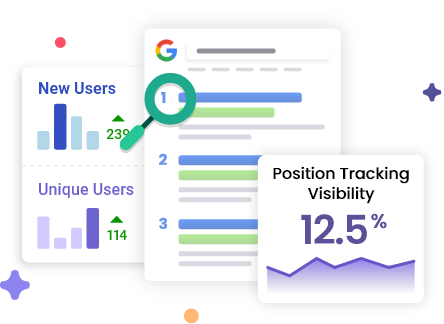
For example, you may have originally built your website simply to establish an online presence. Now, your focus may be on lead generation, SEO growth, or increasing conversions.
If your website was not designed with those objectives in mind, it may not be structured to achieve them effectively. A strategic website design guides users toward specific actions. It removes friction, answers key questions, and builds confidence throughout the user journey. Without that structure, visitors may leave without taking the next step. A redesign gives you the opportunity to align your website with your current priorities, ensuring every page contributes to measurable outcomes.
5. Your conversion rate is low
Getting traffic to your website is only part of the equation. What matters most is what users do once they arrive.
If visitors are not converting into leads or customers, there is likely a disconnect somewhere in the experience. This could be related to messaging, navigation, performance, or overall usability.
A high-performing website creates a clear path for users to follow. It anticipates their needs, provides relevant information, and makes it easy to take action. When those elements are missing, users tend to drop off before completing key actions.
Common issues that contribute to low conversion rates include:
- Unclear messaging that doesn’t quickly communicate value
- Complicated navigation that makes information hard to find
- Slow page load times that frustrate users
- Weak or missing calls to action
Identifying and resolving these issues is a key part of any effective website redesign.
Why a website redesign impacts SEO and business growth
A modern website does more than improve appearance. It strengthens your entire digital presence.
Search engines prioritize websites that deliver strong performance, clear structure, and relevant content. When your website meets these standards, it becomes easier for potential customers to find you online.
At the same time, a well-designed website improves how users interact with your business. It builds trust, reduces confusion, and increases the likelihood that visitors will take action.
This combination of SEO performance and user experience optimization is what drives consistent, measurable results.
Final thoughts
Your website should be one of your strongest business assets. If it’s outdated, difficult to use, or not generating results, it may be time to reevaluate how it’s performing.
A thoughtful website redesign can improve visibility, strengthen your brand, and create a better experience for your users. More importantly, it ensures your website is aligned with where your business is today and where it’s going next.
Taking the time to invest in your website now can lead to stronger performance, better engagement, and more opportunities for growth moving forward.
Hire ThePixel to build your next website!
Since our founding in 2008, we’ve created and launched many types of business websites. Over the last decade and we’ve learned a thing or two! That’s why we’re masters of our craft, let us help you build the website of your dreams – one that generates traffic, leads and conversions.
Are you ready to start? If yes, contact ThePixel and one of our representatives will guide you through the website phases and how the process works either by a Zoom Meeting or phone.
- Analytics 25
- Artificial Intelligence 1
- Branding 6
- Business 54
- Content 23
- Development 9
- Digital Marketing 137
- eCommerce 9
- Hosting 13
- Inbound Marketing 90
- Lead Generation 96
- Mobile App 12
- Online Marketing 172
- Online Reputation 34
- Search Engine Optimization 135
- Social Media Marketing 18
- Uncategorized 1
- User Experience 52
- User Interface 16
- UX Design 41
- Web Design 260
- Website Maintenance 10