Why You Should Invest in Inbound Marketing
Why You Should Invest in Inbound Marketing
Why Businesses Should Invest in Inbound Marketing
Inbound marketing is one of the most effective ways businesses attract, engage, and convert potential customers in today’s digital environment.
Instead of interrupting audiences with traditional advertising, inbound marketing focuses on earning attention by providing helpful content and valuable experiences. Businesses attract prospects by answering questions, solving problems, and providing useful information throughout the buyer’s journey.
When done well, inbound marketing builds trust, strengthens brand authority, and helps businesses generate qualified leads over time.
How the Modern Marketing Funnel Works
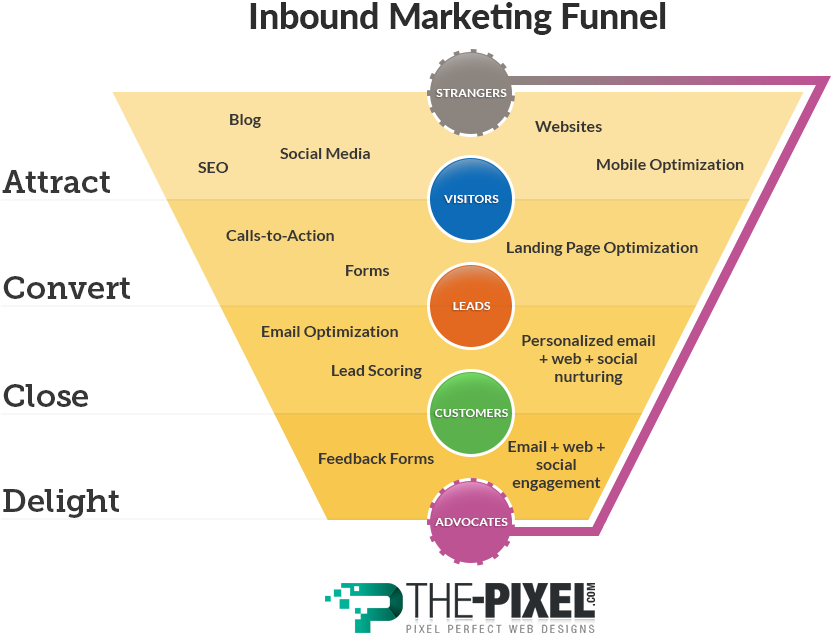
Most marketers are familiar with the concept of a marketing funnel, which illustrates how potential customers move from discovering a brand to becoming a paying customer.
Today’s digital funnel typically includes four stages:
Awareness – A potential customer discovers your business through search engines, social media, or online content.
Interest – The visitor begins researching solutions and learning more about your products or services.
Consideration – The prospect evaluates different options and compares providers.
Conversion – The prospect becomes a customer by purchasing a product or requesting a service.
Inbound marketing supports each stage of this journey by delivering relevant content and helpful information at the right time.
The Shift From Traditional Marketing to Inbound Marketing
Before the rise of the internet, marketing was largely based on mass communication. Businesses relied on channels such as television, radio, and direct mail to reach large audiences.
While mass marketing increased brand awareness, it often lacked personalization. Businesses had limited insight into individual customer behavior and had to wait for prospects to initiate contact.
The internet dramatically changed this dynamic.
Today’s buyers conduct extensive research online before contacting a business. They read reviews, watch product demonstrations, compare options, and gather information long before speaking with a salesperson.
As a result, modern marketing strategies focus on helping prospects discover useful information earlier in the decision-making process.
What Is Inbound Marketing?
Inbound marketing is a digital marketing strategy designed to attract potential customers through valuable content and helpful online experiences.
Rather than pushing messages outward through advertisements, inbound marketing draws prospects toward your brand by addressing their needs and interests.
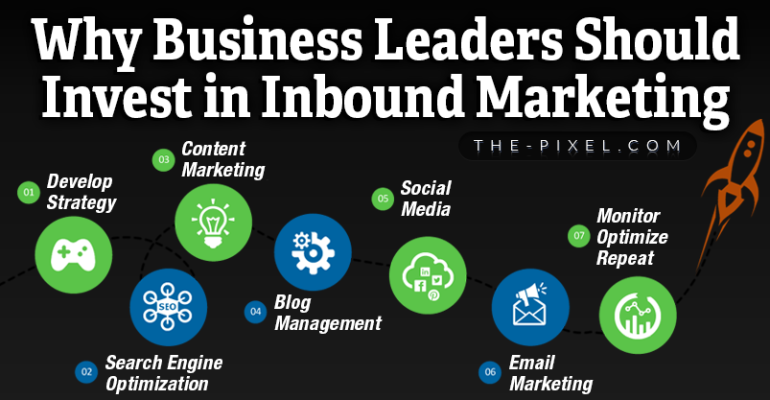
Common inbound marketing tools include:
• blog articles and educational content
• search engine optimization (SEO)
• social media engagement
• email marketing
• downloadable resources such as guides or whitepapers
• webinars, podcasts, and videos
By consistently providing useful information, businesses position themselves as trusted resources within their industry.
Understanding Your Ideal Customer
Successful inbound marketing starts with understanding your target audience.
Many companies develop detailed customer profiles—often called buyer personas—to better understand who their ideal customers are.
These profiles typically consider several factors:
Demographics
Age, job role, income level, and other identifying characteristics.
Geographic factors
Location, region, or market area.
Psychographics
Interests, values, and lifestyle preferences.
Behavioral insights
Buying habits, motivations, and product knowledge.
With this information, marketers can create highly targeted content that speaks directly to the needs and challenges of their audience.
Content Marketing Drives Inbound Success
Content plays a central role in inbound marketing because it helps educate potential customers and build trust over time.
High-quality content can include:
• blog posts that answer common questions
• case studies that demonstrate results
• videos that explain complex ideas
• downloadable guides and checklists
• industry insights and research
By consistently publishing helpful content, businesses increase their visibility in search engines while also establishing authority in their industry.
Marketing Automation and Lead Nurturing
Modern inbound marketing strategies often use marketing automation tools to deliver the right content to prospects at the right stage of their journey.
Automation platforms can:
• track website visitor behavior
• send targeted email campaigns
• nurture leads with personalized content
• score leads based on engagement
• integrate with CRM systems to support sales teams
These tools allow businesses to build relationships with potential customers even before direct contact occurs.
The Role of Sales in the Inbound Marketing Process
Inbound marketing does not eliminate the need for sales professionals. Instead, it allows sales teams to engage prospects at a more meaningful stage in the buying process.
Because prospects have already consumed helpful content and learned about potential solutions, sales conversations often begin with a stronger foundation of trust.
Modern sales professionals act less like traditional salespeople and more like consultative advisors, helping prospects evaluate options and choose the best solution for their needs.
The Long-Term Value of Inbound Marketing
One of the greatest benefits of inbound marketing is that it builds long-term momentum.
Unlike traditional advertising, which stops generating results once a campaign ends, inbound marketing assets—such as blog posts, videos, and downloadable resources—can continue attracting visitors for months or even years.
This creates a sustainable marketing engine that helps businesses:
• increase website traffic
• generate qualified leads
• build brand credibility
• strengthen customer relationships
• improve conversion rates
Over time, inbound marketing helps businesses grow by consistently attracting prospects who are actively looking for solutions.
How ThePixel Helps Businesses Build Inbound Marketing Strategies
At ThePixel, we help businesses design websites and marketing strategies that attract and convert the right audience.
Our approach combines:
• search engine optimization (SEO)
• content strategy and blogging
• lead generation website design
• marketing automation and analytics
By aligning your website and content with how modern buyers research and make decisions, we help create marketing systems that generate measurable growth.